


Watanya 11 Hybrid Maize
Overview
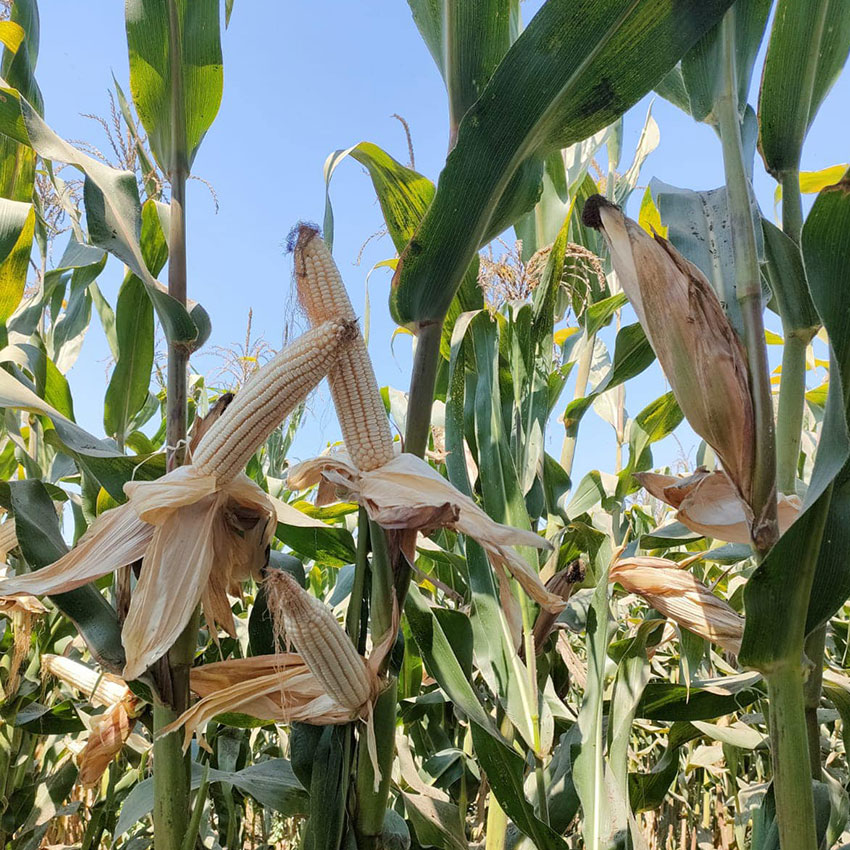
Watanya 11 is a high-performance, three-way crossing hybrid maize variety known for its remarkable heat tolerance and exceptional productivity. This white maize variety thrives in hot climates, making it a go-to choice for farmers in regions with elevated temperatures. With strong, robust plants that produce high yields and high-quality kernels, Watanya 11 is designed to meet the diverse needs of the market, particularly for silage and other agricultural applications.
Key Features
- Dual Cob Production: Approximately 70% of the plants in a Watanya 11 field produce two cobs per plant, enhancing overall yield potential and maximizing output per hectare.
- Strong, Vigorous Plants: The plants are robust and have a strong structural integrity, enabling them to withstand harsh environmental conditions, including high temperatures and moderate drought stress.
- High-Quality White Kernels: Watanya 11 produces high-percentage white maize kernels with excellent starchy content, making it ideal for flour milling, baking, and other food products.
- Heat-Tolerant: The hybrid is well-suited for growing in hot climates, where traditional maize varieties might struggle with heat stress.
Advantages
- High Yield Potential: The combination of dual-cob production and strong, healthy plants ensures high yields, providing farmers with excellent returns on their investment.
- Ideal for Silage Production: Due to its high yield and excellent plant vigor, Watanya 11 is particularly valuable for silage production. The plant's strong structure and green foliage enhance the nutritional value of silage, making it an excellent feed option for livestock.
- Versatile Use: In addition to silage, Watanya 11's high-quality kernels make it suitable for milling into flour, perfect for producing various maize-based products.
Best Uses
- Commercial Maize Production: Watanya 11 is well-suited for large-scale commercial production, delivering high yields of white maize with excellent quality kernels.
- Silage Production: The plant's strong structure and robust growth make Watanya 11 an excellent choice for silage, offering nutritious, high-quality feed for livestock.
- Flour Milling: The high starch content and white kernels of Watanya 11 make it perfect for producing high-quality maize flour, ideal for bakeries, food manufacturers, and other culinary uses.
Planting and Growing Tips
- Climate Adaptability: Watanya 11 thrives in hot climates, making it an ideal choice for regions with high temperatures and low water availability.
- Soil Conditions: Best grown in well-drained, fertile soils with good moisture retention capabilities to support the plant's strong growth.
- Optimal Planting Density: Proper spacing is important to ensure the plants have adequate room to grow and produce two cobs per plant, maximizing yield potential.
- Irrigation Management: While Watanya 11 is heat-tolerant, it is essential to manage water efficiently to avoid drought stress or waterlogging. Consistent irrigation is beneficial for optimal performance.
Why Choose Watanya 11 ?
- Superior Heat Resistance: Watanya 11 is a reliable choice for hot climates, ensuring healthy crop growth even under challenging temperature conditions.
- High Yield and Dual Cob Production: With 70% of plants producing two cobs, Watanya 11 maximizes productivity, offering farmers excellent yields per hectare.
- Valuable for Silage: The robust plant and high-quality foliage make Watanya 11 an outstanding choice for silage, ensuring a nutritious, high-value feed for livestock.
- Versatility for Multiple Applications: Whether you’re producing high-quality maize flour or nutritious silage, Watanya 11 offers flexibility in meeting diverse agricultural needs.
Choose Watanya 11 for a reliable, heat-resistant hybrid that delivers high yields, robust plant vigor, and valuable applications for both silage and milling. Whether you’re focusing on crop production or livestock feed, Watanya 11 is the hybrid maize variety that can meet your farming needs.